
We Advocate. We Empower. We Show Up.
Understanding the Housing Crisis in Central Florida
Central Florida is experiencing a full-scale housing emergency that continues to push families, seniors, and survivors into crisis at unprecedented rates. According to the most recent regional count, 2,781 people were experiencing homelessness on a single night — and 1,090 of them were unsheltered, living in cars, streets, or places unfit for human habitation. Even more devastating, over 40% of the region’s homeless population were children or senior citizens, proving this crisis is not isolated to individuals but is destabilizing entire families and some of our most vulnerable neighbors.
These numbers exist alongside a broader landscape of economic strain. In Orlando alone, 14.9% of residents live below the poverty line, and nearly 29.1% of adults without a high school diploma live in poverty — a clear reflection of how systemic inequities in wages, education access, and economic opportunity drive people toward housing instability. Survivors of domestic violence face even steeper barriers as they attempt to flee dangerous situations in a region where affordable housing is scarce, shelters are full, and policy gaps leave them without safe options.
This crisis is not the outcome of personal failure; it is the predictable result of policy decisions that have failed to keep pace with rising rents, stagnant wages, and growing community need. Until we address these systemic realities head-on, Central Florida will continue to see more families displaced, more seniors at risk, and more neighbors forced into impossible situations.
Current Central Florida Solutions
Central Florida’s response to homelessness, poverty, and violence is powered by a network of organizations working to stabilize lives and strengthen the region’s safety net. While the crisis continues to outpace available resources, several key institutions are building the foundation for long-term change.
Central Florida Commission on Homelessness (CFCH)
CFCH leads regional collaboration by uniting government, nonprofits, businesses, and community advocates around shared strategies to prevent and reduce homelessness. Their work elevates public understanding, aligns local priorities, and pushes for systemic solutions rooted in data and community need.
Homeless Services Network of Central Florida (HSN)
HSN serves as the backbone of the region’s Homelessness Continuum of Care, coordinating federal funding, managing the Homeless Management Information System (HMIS), and operating the coordinated entry process that connects individuals and families to shelter, housing programs, and essential services. Their role is central to ensuring that support is accessible, accountable, and delivered at scale.
The Emerging Family Justice Center (FJC)
Central Florida is also working toward the creation of a Family Justice Center, a collaborative, one-stop service hub designed to support survivors of domestic violence, sexual assault, and human trafficking. The FJC model brings multiple agencies under one roof — advocacy, law enforcement, legal services, counseling, medical support, housing navigation, and more — allowing survivors to access comprehensive help without reliving trauma through repeated retelling.
The development of an FJC represents a powerful opportunity for the region to strengthen its response to interpersonal violence and reduce the systemic barriers survivors face when seeking safety and stability.
Why These Solutions Matter
CFCH, HSN, and the future FJC each play a vital role in building a more coordinated and humane response to the region’s challenges. They create structure, share data, and provide pathways to safety and housing — all essential to addressing a crisis of this scale.
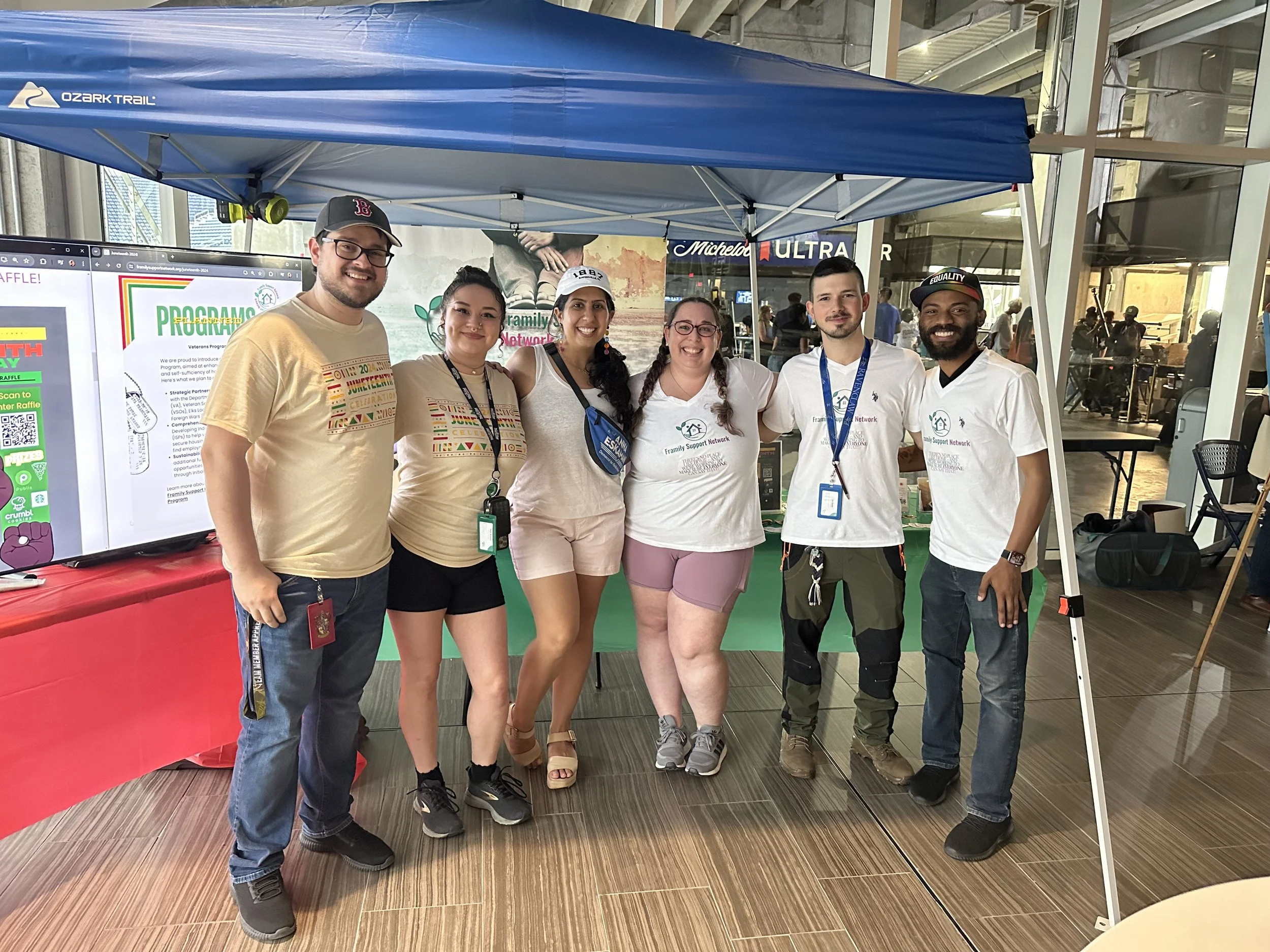
FSN works alongside these efforts as a community advocacy voice, amplifying lived experience, challenging systemic gaps, and pushing for policies that ensure these solutions are adequately funded, accessible, and responsive to the real needs of Central Florida residents.